Columbus State University News
New twice-a-year admissions cycle positions Columbus State to better address nursing shortages
February 1, 2024
According to the Georgia Hospital Association, there is a current statewide shortage of 10,000-plus nurses — a deficit that is expected to worsen in the next decade as Georgia’s population ages and as demand for healthcare services increases. Columbus State University’s School of Nursing is responding to those projections through a new admissions cycle aimed at moving graduates into the workforce sooner.
Beginning with the 2024-25 academic year, the School of Nursing will add a second admissions window each spring semester to its current fall-only admissions cycle. The move, according to the school’s director, Dr. Tammy Condrey, RN, MSN, CNE, will allow students to begin their studies sooner.
“Changes to our admissions schedule are certain to benefit our students,” Condrey said. “This includes our current students, who already have the advantage of easy access to our faculty, small classes and intensive mentoring. Our future students will no longer have to wait an entire year before they are admitted and can begin their studies."
Condrey also noted the more-frequent admissions cycle means accelerating students’ move from college to the workforce — welcomed news for area healthcare employers like St. Francis-Emory Healthcare.
“COVID-19 strained the healthcare system to its seams, and nurses have borne much of that pressure — contributing to the increasing shortage of nurses nationwide,” explained Lynn Goree MSN, RN, director of St. Francis-Emory’s Education and Professional Practice and a 1994 Columbus State alumna. “Moving from a once-a-year to a twice-a-year cycle will help to bring more nurses into the workforce, which will help ease the shortage regionally.”
Piedmont Columbus Regional’s vice president and chief nursing officer, Cary H. Burcham, MBA, RN, NI-BC, NEA-BC, FACHE, agreed.
“Multiple points of admission and graduation allow me to plan strategically for the nursing resources that Piedmont needs,” he said. “The alignment between Piedmont and Columbus State is very important — it’s something that’s highly valued. I’m honest when I say we pretty much hire every single [Columbus State nursing graduate] who would like to come work for Piedmont.”
COMBINING KNOWLEDGE, COMPASSION
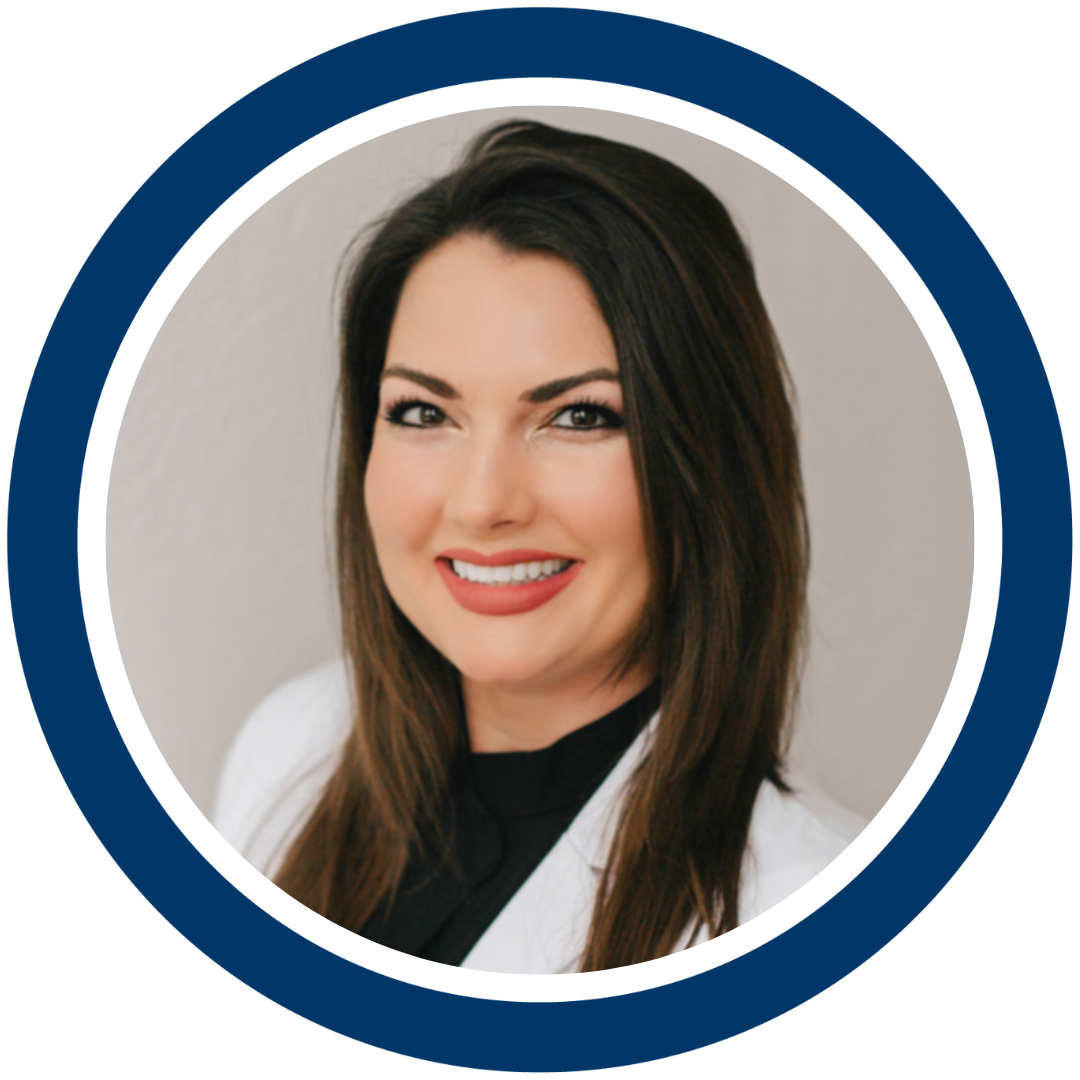 As the demand for nursing professionals has grown, their roles have evolved as well.
Dr. Chandler Padgett, APRN, FNP-C (pictured), an assistant professor in the School of Nursing and a 2019
Columbus State graduate, emphasized that today’s nursing students — like their professional
counterparts — must be both knowledgeable and compassionate.
As the demand for nursing professionals has grown, their roles have evolved as well.
Dr. Chandler Padgett, APRN, FNP-C (pictured), an assistant professor in the School of Nursing and a 2019
Columbus State graduate, emphasized that today’s nursing students — like their professional
counterparts — must be both knowledgeable and compassionate.
“A successful nursing student is a driven individual who is able to actively combine classroom knowledge and critical thinking into clinical practice,” she said. “The profession needs nurses to be effective servant leaders who, in turn, empower others by fostering a positive, supportive learning environment centered on prioritizing patient care and remaining current in the field.”
Columbus State senior Karder Samson is one of those students who sees value in service- and patient-minded nursing.
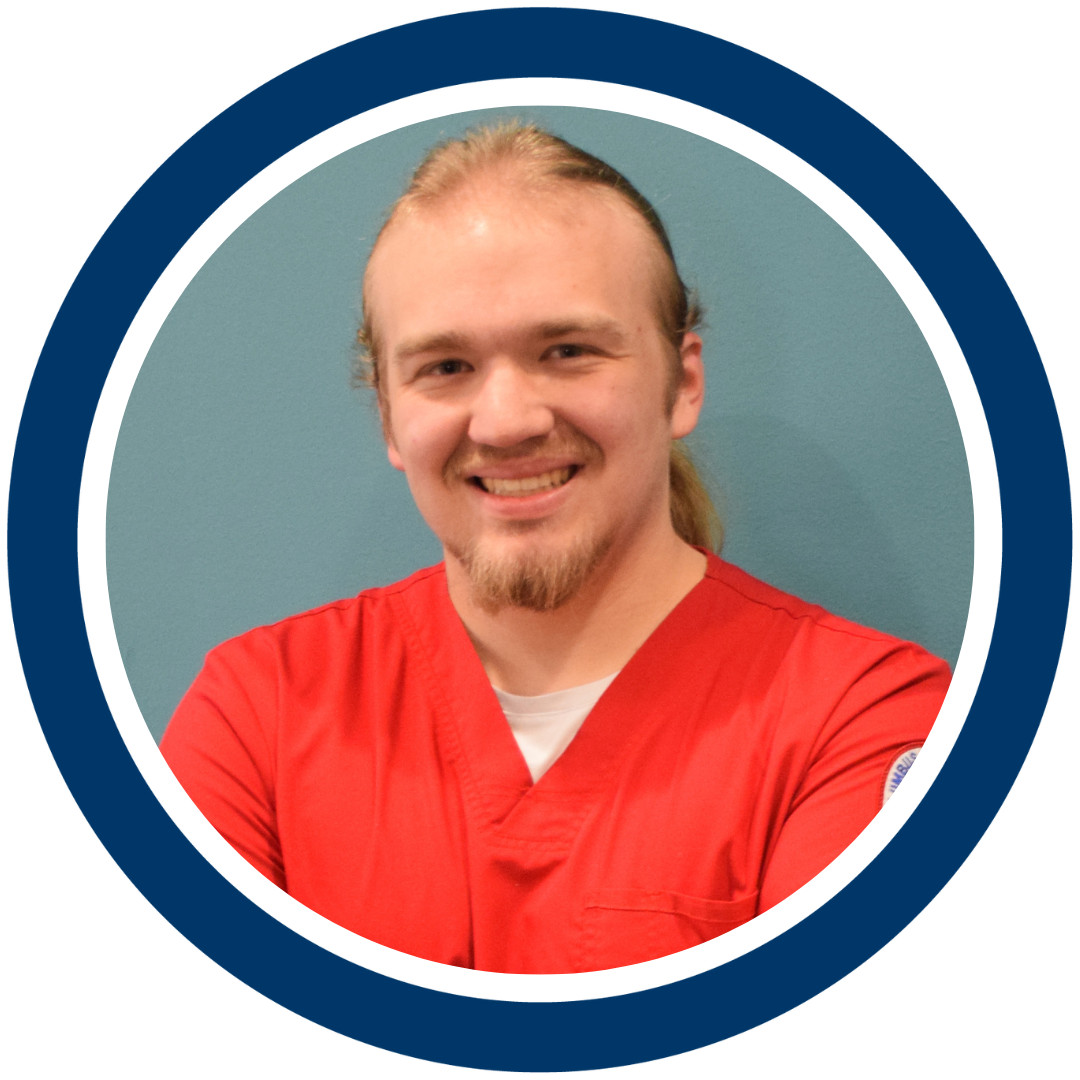 “I decided to pursue a career in nursing because I have always wanted to go into the
medical field, and I like to help people face-to-face,” the Columbus native (pictured)
said. “I knew that nurses were the healthcare professionals who truly got to know
their patients and spend a significant amount of time with them. Additionally, nursing
is a very broad field with many different career opportunities.”
“I decided to pursue a career in nursing because I have always wanted to go into the
medical field, and I like to help people face-to-face,” the Columbus native (pictured)
said. “I knew that nurses were the healthcare professionals who truly got to know
their patients and spend a significant amount of time with them. Additionally, nursing
is a very broad field with many different career opportunities.”
Sampson’s patient-first outlook is part of the equation for career success, according to St. Francis-Emory Healthcare’s chief nursing officer, Elizabeth Later, BSN, MHA, RN, CENP, CPPS.
“Having an understanding heart and willingness to demonstrate caring for people who are having tough days is imperative — as is a strong affinity for the sciences and intuitive good judgment,” Later said. “The challenges and changes that the [COVID-19] pandemic brought have emphasized the need for healthcare professionals to be able to adapt to change very quickly and not lose hope when the work gets difficult.”
Later also indicated that, in our texting- and social media-driven society, excellent communication skills remain a must. Those, and the ability to listen and interpret are also key, according to Piedmont’s Burcham.
“All patients, no matter their background or upbringing, have the same needs to receive teaching and education. So, the ability to communicate, to listen, to read between the lines and to understand are all critical,” he said. “Together, keen observation and listening skills lead to great clinical assessment skills — and lead to expert nurses who can walk into a clinical scene and really sum up the scenario of what’s going.”
CLINICALS ESSENTIAL TO THE CURRICULUM
Columbus State’s partnerships with Piedmont Columbus Regional and St. Francis-Emory Healthcare are vital to the school’s ability to teach, educate and train its future nurses. Condrey noted the benefits of clinical rotations and preceptorships at both hospitals range from students honing their bedside, analytical and interpersonal skills to them gaining greater insights into a potential specialty area.
St. Francis-Emory’s Later agreed with Condrey — especially the importance of learning at the patient bedside.
“Experiences with patients provide real-time, hands-on training that allows students to marry what they’re learning didactically with the realities of patient care. Therefore, clinical nursing experiences need to be more than just learning tasks, such as inserting foleys or starting IVs. They need to teach critical thinking and good judgment in difficult situations,” Later said. “Every moment in a clinical environment should be spent at the bedside or in discussions with healthcare colleagues — and we strive to provide that for CSU students at St. Francis-Emory Healthcare.”
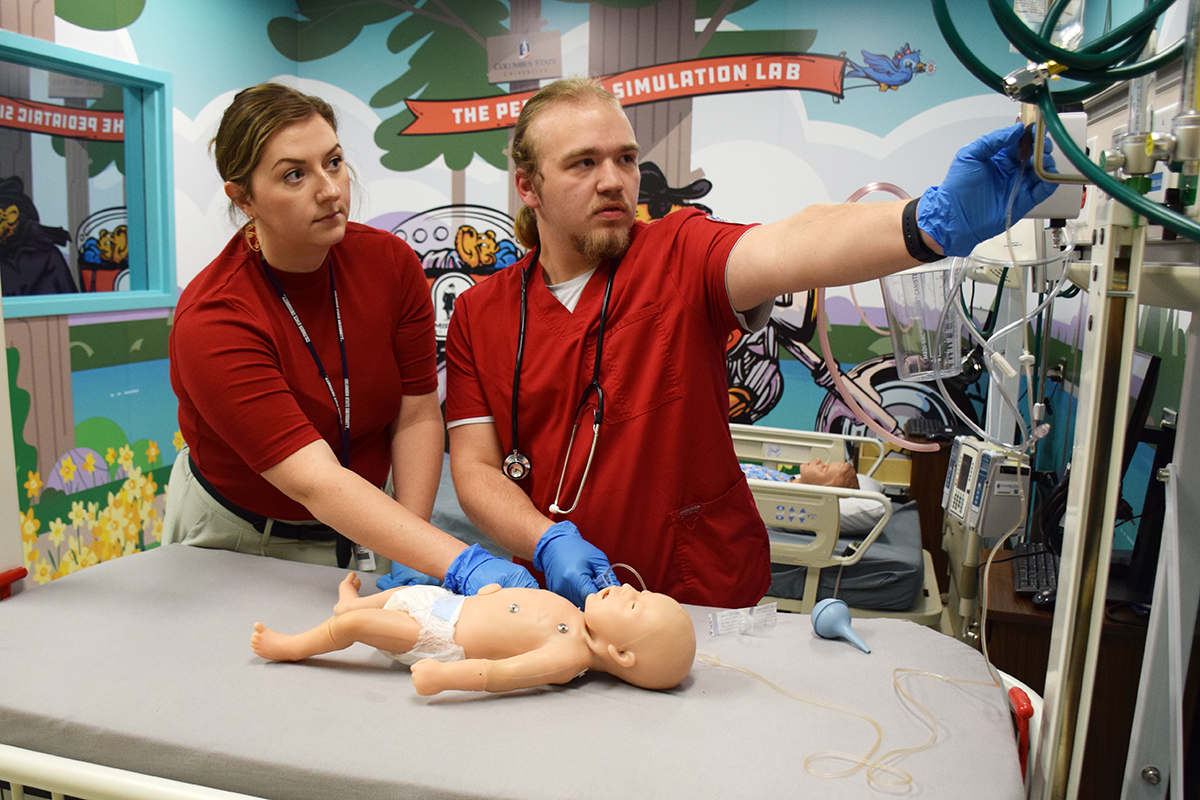
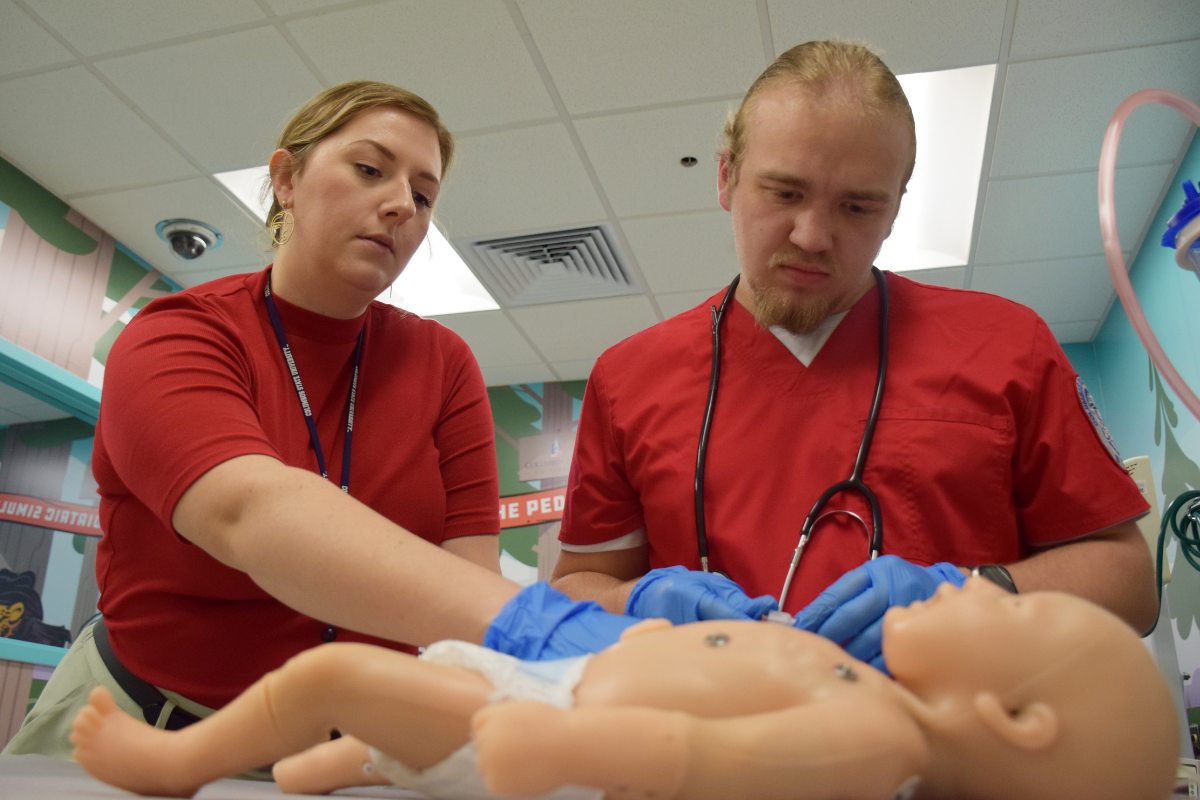
Karder Sampson (right) receives instruction from Assistant Professor Shelby Barson,
MSN-NE, CCRN (left) on a pediatric simulation robot in the school's Pediatric Simulation
Lab.
“A great clinical rotation provides the perspective of unanticipated real human behavior, the experience with real clinical systems, interacting with a patient and their family members, and receiving mentoring from nursing colleagues,” Piedmont’s Burcham added. “Those are invaluable additions to the traditional textbook learning and simulation lab experiences that you would receive in the university setting. Things begin to click between what you see and hear and read in the classroom after you see it in real life.”
Those clinical rotations also provide students with invaluable professional and employment networking — beginning from the first day they step into a hospital.
“Clinical experiences allow students to ‘test the waters’ so to speak — discovering for themselves what clinical environment works best for them,” St. Francis-Emory’s Later said. “They also allow us as an organization to build relationships with them so we can provide mentoring and development opportunities if they choose to work with us.”
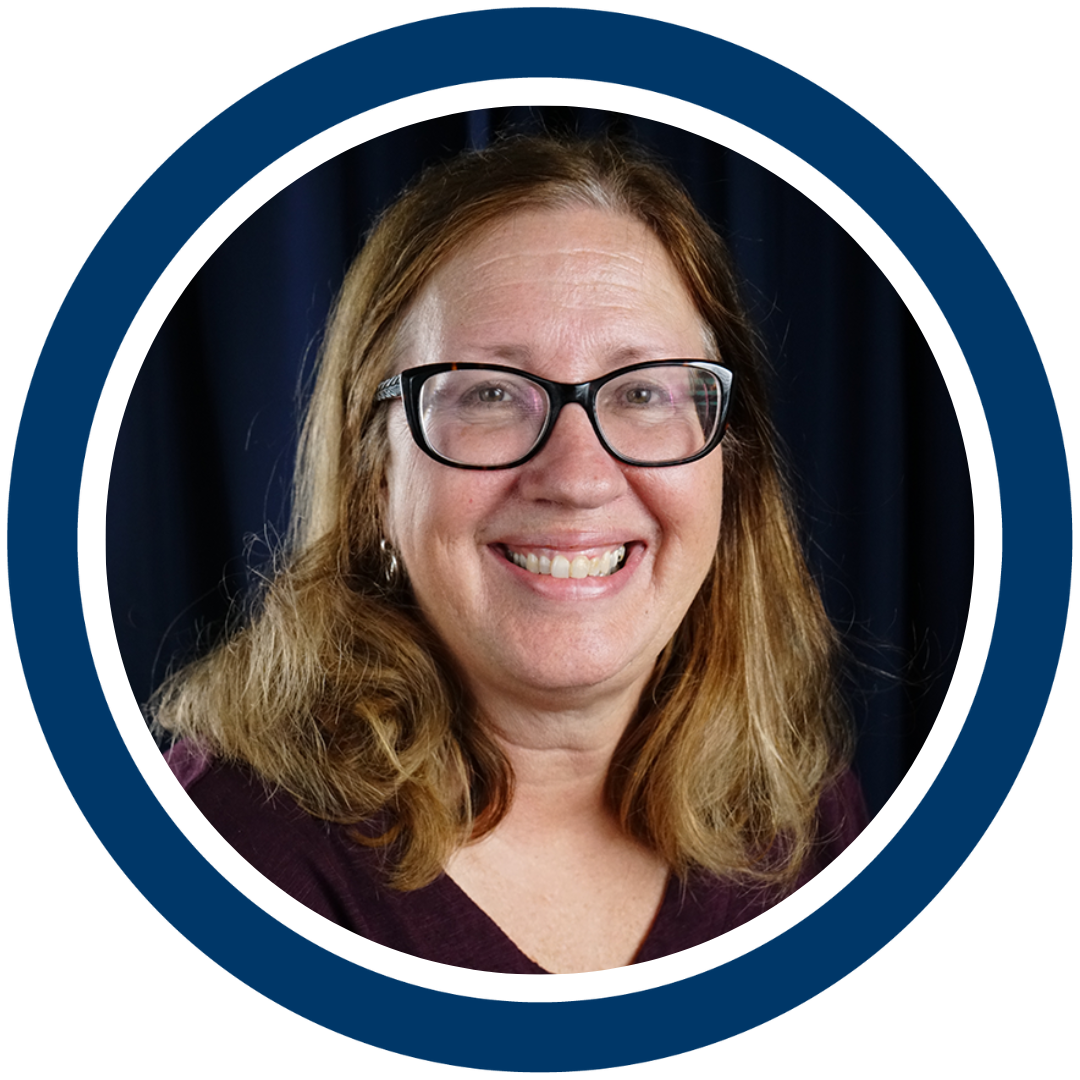 Condrey (pictured) lauded both hospital systems’ help maintaining the school’s academic
curriculum as integral to students’ success in the classroom, on their nursing boards
and in their chosen careers. Student apprenticeship programs at both hospitals are
timely in helping students retain classroom concepts until their official hospital
rotations begin.
Condrey (pictured) lauded both hospital systems’ help maintaining the school’s academic
curriculum as integral to students’ success in the classroom, on their nursing boards
and in their chosen careers. Student apprenticeship programs at both hospitals are
timely in helping students retain classroom concepts until their official hospital
rotations begin.
“These apprenticeship programs help our students take what they’ve learned during their first year in nursing and apply it through various short-term hospital rotations and one-on-ones with practicing nurses,” she said. “This reinforces what our students have learned while keeping them immersed in the content knowledge before their more formal clinical rotations their senior year.”
Piedmont’s Burcham noted that as many as 70% of Columbus State’s nursing students who complete the hospital’s Student Nursing Apprenticeship Program (SNAP) later accept jobs there.
ABOUT THE SCHOOL OF NURSING
Based in Columbus State University’s College of Education & Health Professions, the School of Nursing offers undergraduate- and graduate-level nursing programs, including a BSN program; an RN-BSN program with on-campus and online options; an on-campus and online MSN program with Nurse Educator, Nurse Informaticist or Nurse Leader tracks; and an FNP (Family Nurse Practitioner) MSN program with both on-campus and online options.
With more than 10 faculty members, students enjoy a 15-to-1 student-to-faculty ratio. Students also benefit from activities hosted by the school’s National Student Nurses’ Association chapter and networking through the school’s Nursing Alumni Group.
Students interested in pursuing a nursing degree apply to the School of Nursing after completing 63 hours of the university’s core, health and STEM courses that complement the nursing plan of study. This is usually the semester before they begin their junior year. Admission also includes achieving minimum GPA requirements and successfully completing required sections of the RN Admission Evolve Reach A2 Assessment Test. Once accepted, they receive specialized advising from the school’s staff.
The School of Nursing has full approval from the Georgia Board of Nursing and is accredited by the Commission on Collegiate Nursing Education (CCNE) and many of its programs are ranked regionally and nationally for their affordability and academic rigor.
For more information, visit columbusstate.edu/nursing.
Media contact:
Michael Tullier, APR, Executive Director of Strategic Communication + Marketing, 706.507.8729,
mtullier@columbusstate.edu
Related news coverage:
CSU initiates new admission cycle to address nursing shortages (Feb. 2, 2024, WTVM-TV)