Columbus State University News
Oct. 6 talk underscores Columbus State’s focus on Korean relations, military history preservation
September 28, 2026
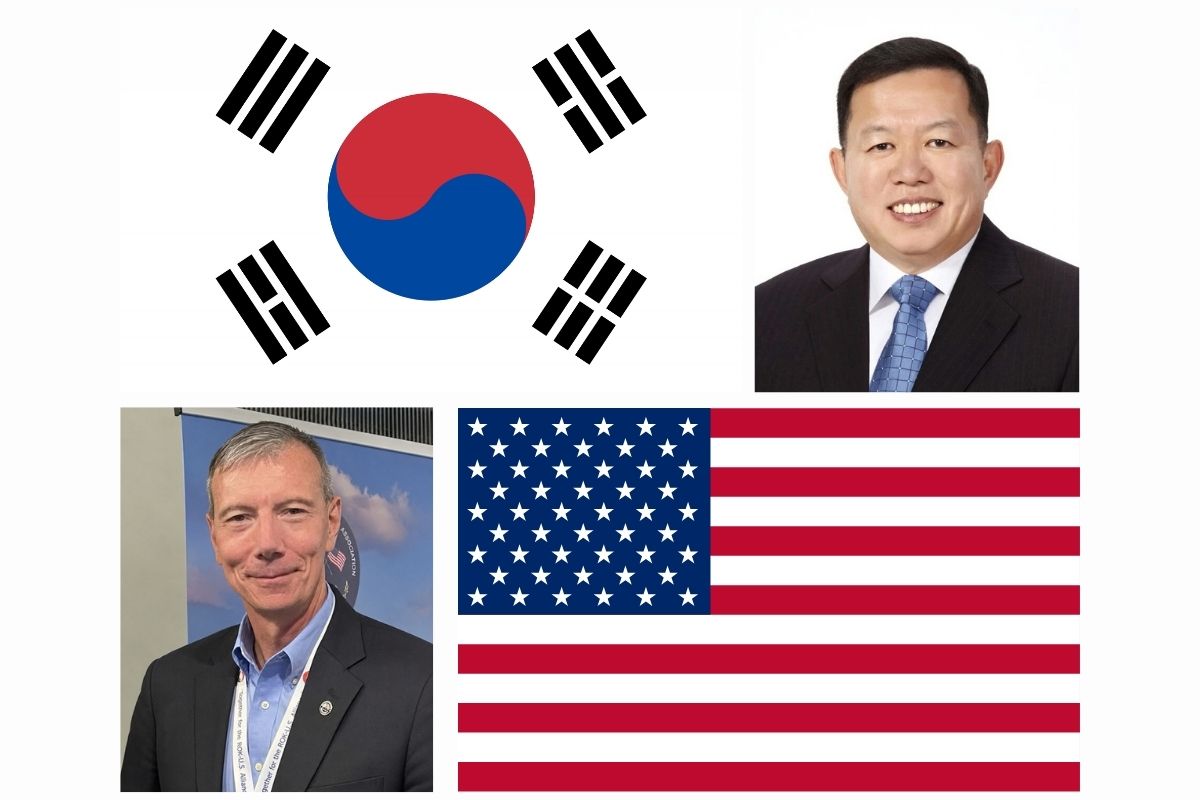
On Tuesday, Oct. 6, a rare event will bring together two esteemed retired generals to discuss the strategic military relationship and global partnership between the United States and the Republic of Korea. During this public dialogue, they will address current issues shaping U.S.-South Korean relations and the alliance, highlighting how this partnership has helped maintain stability in Northeast Asia for more than 70 years.
The dialogue, titled “The U.S.–Korea Security Alliance in 2026,” will feature retired Lt. Gen. In-Bum Chun of South Korea and retired Maj. Gen. David Lesperance of the United States. Drawing on their senior leadership backgrounds, they will explore evolving security issues, defense collaboration, regional trends, and the alliance’s future.
The dialogue starts at 7 p.m. at the university’s Bo Bartlett Center [map] and is open to everyone. It is co-hosted by the Korean Institute at Columbus State and the Hallock Endowment for Military History.
Having Chun and Lesperance on the same stage provides a distinct and complementary perspective on the U.S.-Korea alliance. For many years, the shared forces in Korea have used the phrase “Katchi Kapshida,” meaning “We Go Together.” This event exemplifies that spirit of collaboration.
 “Their combined experiences illustrate the tactical, operational and strategic integration
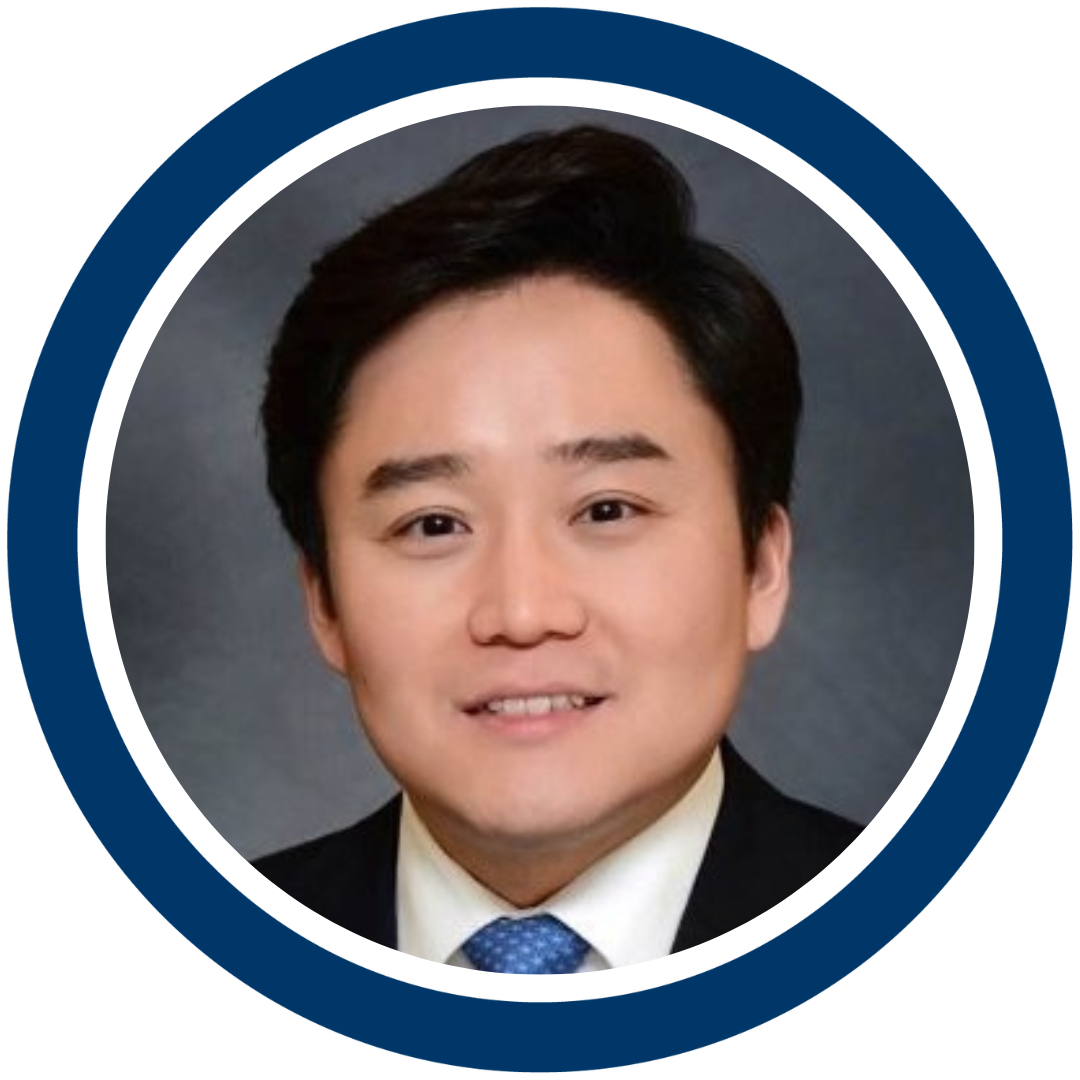
of two separate militaries working toward a common mission,” explained Dr. Daewoo Lee (pictured), director of the Korean Institute at Columbus State. “Attendees will understand
not only the American or Korean perspectives but also the alliance’s reality as it
addresses the geopolitical, technological and strategic challenges of 2026.”
“Their combined experiences illustrate the tactical, operational and strategic integration
of two separate militaries working toward a common mission,” explained Dr. Daewoo Lee (pictured), director of the Korean Institute at Columbus State. “Attendees will understand
not only the American or Korean perspectives but also the alliance’s reality as it
addresses the geopolitical, technological and strategic challenges of 2026.”
Lee pointed out that Chun offers the crucial South Korean viewpoint—focusing on the ROK military’s development, Seoul’s internal politics, and the direct threat from North Korea as seen from a nation living in its immediate shadow. Conversely, Lesperance offers the American operational command perspective: how U.S. forces work tactically with Korean forces, manage coordination within complex trilateral command structures, and project power across the wider Indo-Pacific region.
The pair’s military background makes their dialogue especially relevant to Dr. David Kieran, who holds the Col. Richard R. Hallock Distinguished University Chair in military history and directs the Hallock Endowment.
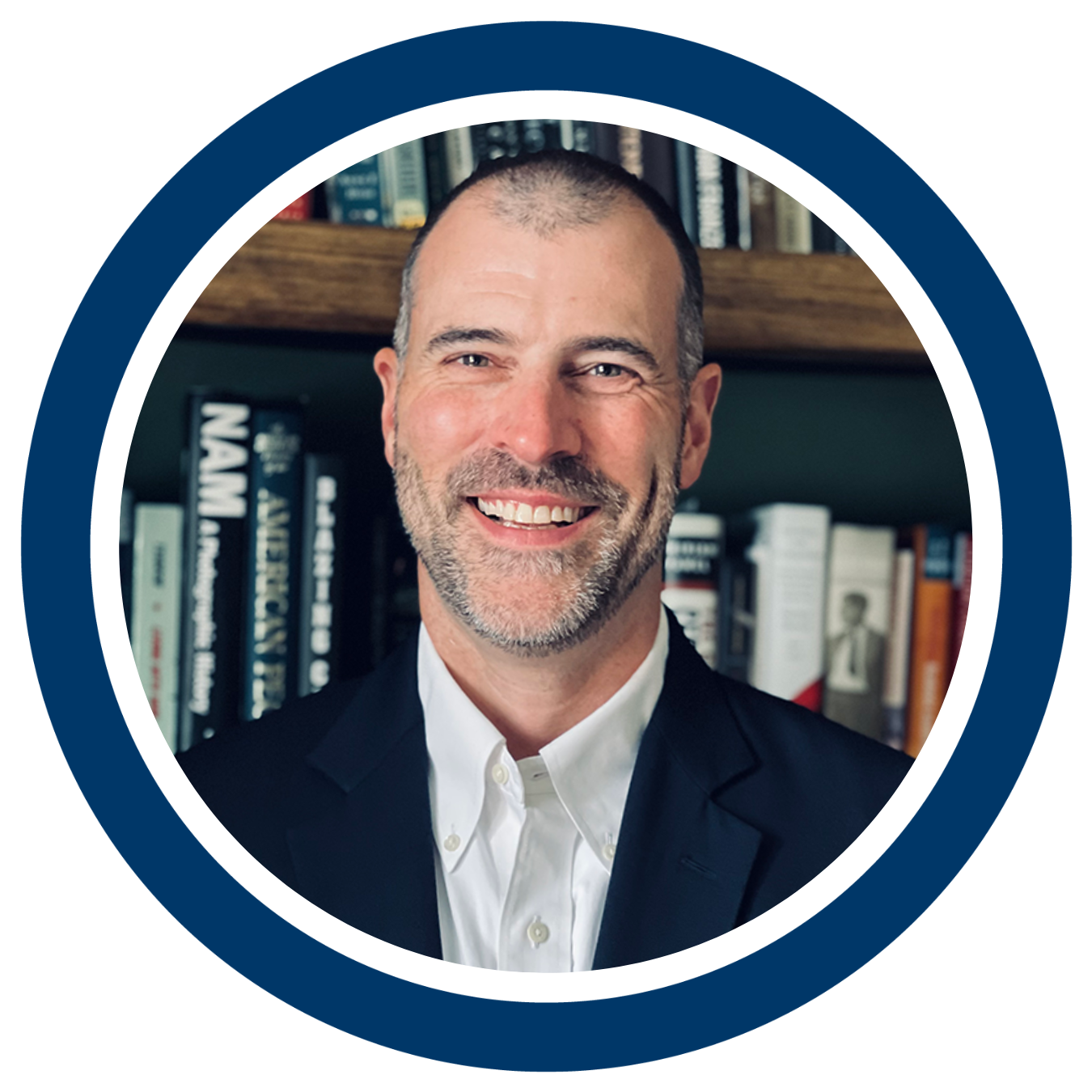 “The U.S.-Republic of Korea alliance stands as a beacon born from the Korean War,”
Kieran (pictured) observed. “From a military history standpoint, it’s crucial to remember
and honor the sacrifices and progress achieved through this partnership as we document
the ongoing legacy that has shaped the shared journey of our two nations during the
70-plus years since the Korean Armistice.”
“The U.S.-Republic of Korea alliance stands as a beacon born from the Korean War,”
Kieran (pictured) observed. “From a military history standpoint, it’s crucial to remember
and honor the sacrifices and progress achieved through this partnership as we document
the ongoing legacy that has shaped the shared journey of our two nations during the
70-plus years since the Korean Armistice.”
A shared vision: KICS and the Hallock Endowment
Like the two university programs themselves, the dialogue event focuses on their mutual interest in examining the alliance’s origins and understanding how this historical foundation influences present foreign policy, economic strategies, military preparedness and bilateral diplomacy. By providing this in-depth security discussion, students, faculty and others interested in the intricacies of military history and foreign relations will gain a distinctive understanding of an alliance that continues to influence regional economies and global security seven decades after its formation.
The dialogue highlights Columbus State’s increasing prominence as a destination for studying the American military experience, supported by its expanding military history archival collection and its proximity to Fort Benning, which hosts the largest Republic of Korea Army training detachment outside South Korea. Events like this and KICS’ annual Korea-Georgia Dialogue are also helping to establish Columbus State as one of the state’s most dynamic hubs for Korea-focused engagement.
About the speakers
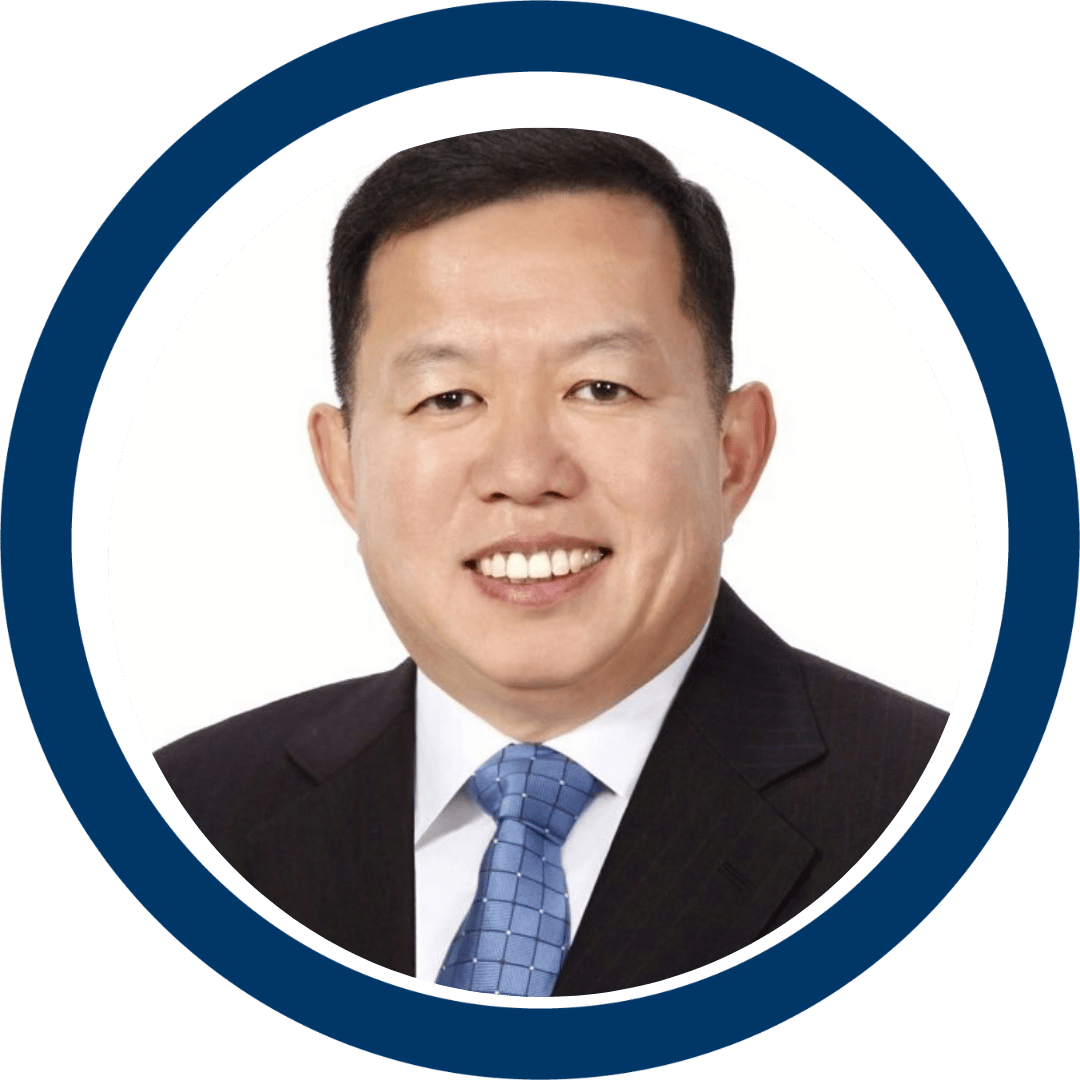 Lt. Gen. (ret.) In-Bum Chun remains a revered figure within South Korea’s military, with nearly 40 years of honorable
service since graduating from the Korea Military Academy in 1981. He finished his
active-duty career as the commanding general of the ROK Special Warfare Command, playing
a key role in developing his units into elite forces ready to succeed in any conflict.
Lt. Gen. (ret.) In-Bum Chun remains a revered figure within South Korea’s military, with nearly 40 years of honorable
service since graduating from the Korea Military Academy in 1981. He finished his
active-duty career as the commanding general of the ROK Special Warfare Command, playing
a key role in developing his units into elite forces ready to succeed in any conflict.
Chun is renowned for his courageous leadership, notably saving the Joint Chiefs of Staff chairman during the 1983 Aung San terrorist attack in Myanmar and leading the rescue of hostages during the 2007 Saemmul Church crisis in Afghanistan. He has earned several honors, such as three U.S. Legions of Merit and a Bronze Star Medal, for his service with a South Korean unit in Iraq. Even after retiring, he remains a prominent voice on defense and security matters, including his role as a visiting fellow at prestigious think tanks.
 Maj. Gen. (ret.) David Lesperance is a distinguished U.S. Army armor officer with late-career roles at the heart of
the U.S.-ROK military alliance. Before retiring in 2024, he was the director of operations
for the United Nations Command, ROK/US Combined Forces Command, and United States
Forces Korea (USFK). Before that, Lesperance served as commanding general of the 2nd
Infantry Division, the U.S. military’s only permanently forward-deployed, combined
U.S.-ROK division.
Maj. Gen. (ret.) David Lesperance is a distinguished U.S. Army armor officer with late-career roles at the heart of
the U.S.-ROK military alliance. Before retiring in 2024, he was the director of operations
for the United Nations Command, ROK/US Combined Forces Command, and United States
Forces Korea (USFK). Before that, Lesperance served as commanding general of the 2nd
Infantry Division, the U.S. military’s only permanently forward-deployed, combined
U.S.-ROK division.
His extensive experience overseeing joint operations, along with his previous command at Fort Irwin National Training Center, gives him exceptional insight into combined combat readiness, tactical interoperability, and strategic deterrence essential for peace on the Korean Peninsula. His distinguished service, including deployments in the Gulf War and Iraq War, earned him three Legions of Merit and three Bronze Star Medals.
Media contact: Michael Tullier, APR